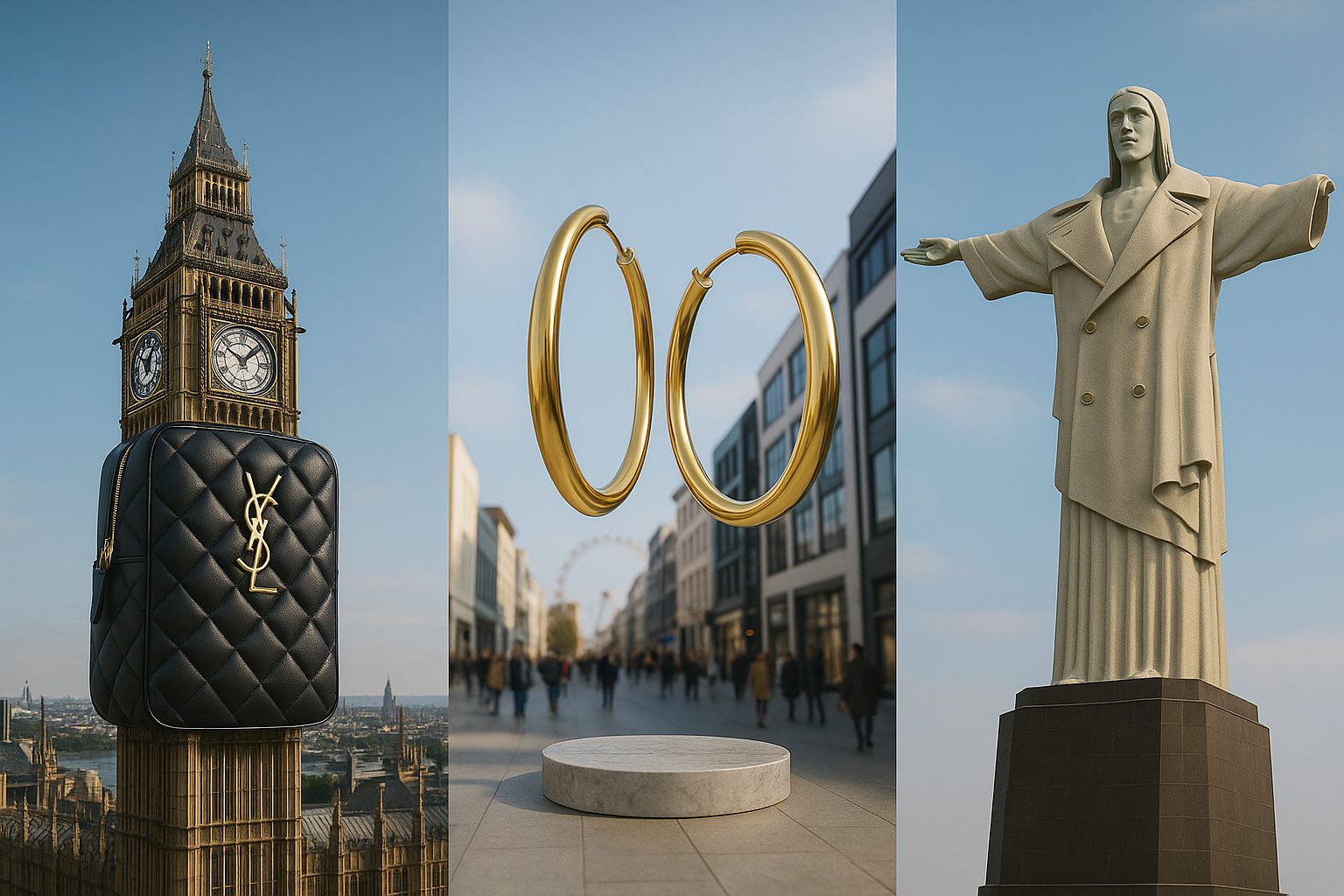
In a world saturated with images, sounds and advertising messages, entice and withhold Attention Of the consumer today is the real thing gage. For se demarcate, brands are exploring new territories : they are no longer content with communicating, they are live an experience. Among the levers pluses Powerful of this transformation: sensory marketing, which calls on the Five senses And the holograms, which repel borders of the visual. Together, they offer a immersive experience where emotion and innovation meet.
Sensory marketing: when emotions guide engagement
Sensory marketing is based on a simple idea: we don't just buy with our reason, but above all with our emotions. By stimulating the 5 senses: sight, hearing, smell, smell, touch and taste, brands create worlds capable of arousing curiosity and engraving a lasting memory in the consumer's mind.
- Sight remains the most mobilized sense: colors, lights and design translate the identity and values of the brand.
- Hearing, with a musical ambiance or a signature jingle, influences the mood and the feeling of time spent.
- The sense of smell acts as an emotional shortcut: some retailers have even developed their own “brand perfume”.
- Touch and taste complete this experience, especially in cosmetics, gastronomy or luxury.
Sensory marketing does not sell a product: it offers an experience to live.
Holograms: technology at the service of wonder
Long reserved for science fiction, holograms are now emerging as a spectacular communication tool. By projecting 3D images into space, without screens or glasses, they instantly catch the eye and create an incomparable “wow” effect.
Some concrete uses:
- present a produced in 3D even before its official release;
- create a window that is animated and visible day and night;
- Put on stage a virtual ambassador or a holographic advisor capable of interacting with the public;
- enhance a product launch by combining light, sound and movement.
Holograms transform a simple presentation into a magical and immersive moment, where the message becomes a show.
Sensory marketing and holograms: a winning combination
Sensory marketing provides emotional depth, while the hologram provides the visual and immersive dimension.
Imagine:
- a fragrance presented by an olfactory cloud, accompanied by a hologram representing the original flower of the perfume;
- in an event lounge, a holographic chef who describes a dish while a subtle smell of cooking floats in the air.
All the senses are called upon. The experience becomes multisensory, unique, and above all... unforgettable.
Sectors that already rely on sensory marketing + holograms
While this combination still seems futuristic, several sectors are already experimenting successfully. By combining emotions and innovation, it makes it possible to offer a spectacular customer experience, adapted to each universe.
Luxury: experience as a symbol of exclusivity
Luxury brands are often the first to incorporate immersive technologies into their strategies. Holography makes it possible to enhance products (jewelry, perfumes, watches) by presenting them from a new angle, while sensory marketing reinforces the emotional universe of the brand.
Retail: transforming points of sale into living experiences
Retailers are increasingly using holograms to animate their windows or present products in 3D even before they are available.
Combined with ambient scents and adapted music, these devices renew the shopping experience and encourage passers-by to enter. The objective is to create curiosity, emotion and an innovative brand image.
→ How do holograms transform the customer experience in the retail sector?
Events: from entertainment to shared emotion
Exhibitions, conferences, concerts, product launches... The holograms at events allow a brand or personality to be “present” from a distance, while maintaining a spectacular and sensory dimension. Brands often complement the visual effect with sound, olfactory or light environments, to immerse the public in total immersion.
Hospitality and tourism: immersive and memorable experiences
Holograms are also used in hotels, museums and tourist offices to create captivating cultural or informative experiences. Imagine a holographic guide welcoming you into a hotel lobby, or a sensory recreation of a historic site where sounds, sights, and smells transport you to the past.
Real estate and construction: visualizing before building
Holograms make it possible to project buildings or interiors in 3D, long before they are built. By adding sensory elements (ambient sounds, textures, home fragrances), developers or architects offer a multi-sensory tour of their projects. This thus facilitates the emotional projection of customers and the purchase decision.
Training and education: learning differently
Holographic experiences combined with sensory stimuli open up new paths for learning. They allow make concrete and lively theoretical content: a professor or an expert can appear in a hologram, in an immersive environment where each sense is solicited.
→ The hologram as an educational tool
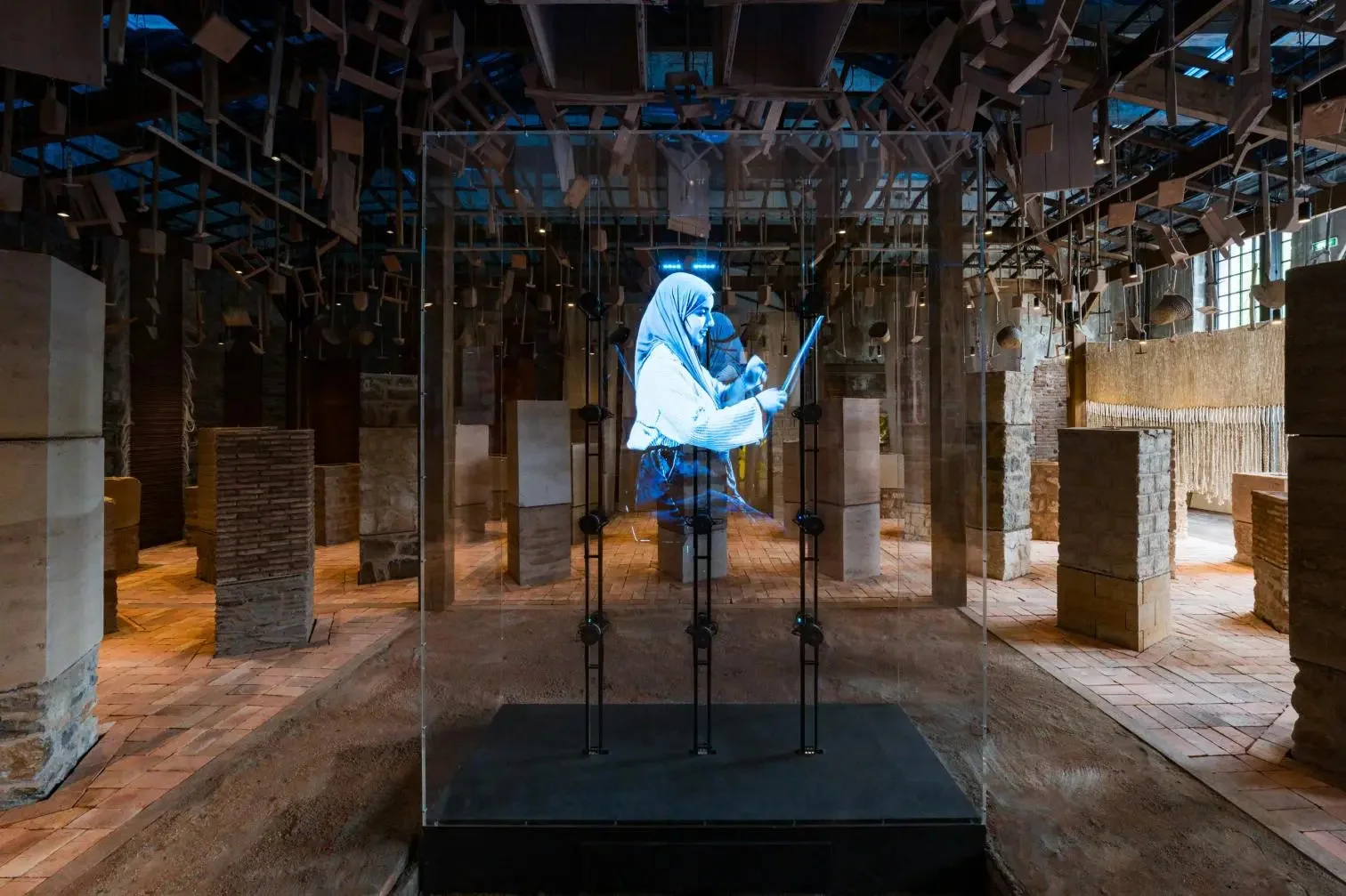
From fashion to retail, from events to training, holograms and sensory marketing are no longer reserved for big visionary brands. They now represent a new strategic tool for creating emotion, differentiation and perceived value. Their combination opens up an endless field of experiences where technology enhances feelings and where the brand becomes an experience in its own right.
Do you have a holographic project, but you don't know where to start? Contact us for a free estimate of your needs in less than 30 minutes!
FAQ — Sensory marketing and holograms
Do holograms really enhance the effectiveness of sensory marketing?
Yes. Holograms play on the visual and immersive dimension, which amplifies the sensory stimuli already used by a brand. A smell, sound, or lighting environment becomes more memorable when combined with a 3D image that seems “alive.” The hologram does not replace the sensory: it multiplies it.
Can other senses (smell, sound, touch) be integrated around a hologram?
Absolutely. Holograms fit very well into sensory scenography:
- distribution of synchronized odors;
- immersive sound environment;
- breath of air or vibration to simulate movement;
- physical objects to be touched during the projection;
It is this combination that creates the “total experience” effect.
What sectors are already using holograms in sensory devices?
The most advanced industries are:
- luxury (perfumes, jewelry, fashion);
- retail;
- events.
- tourism and hotels.
- the car;
- gastronomy.
They use them to present a product, tell a story or reinforce the sensory identity of the brand.
Are holograms suitable for small businesses or only for big brands?
They are now accessible to all structures. Compact holographic showcases, holographic fans or Holoboxes no longer require a spectacular budget. An SME or a business can create an innovative sensory experience without heavy infrastructure.
Do holograms improve the rate at which a message is remembered?
Yes, according to several studies on immersive learning:
- the brain better remembers a message associated with a volumetric image;
- emotions stimulated by sensory experience increase memory by up to 70%.
-
Does the hologram increase sales at the point of sale?
Indirectly, yes. Holograms:
- attract more attention in the window;
- generate curiosity;
- increase the amount of time spent in the store;
- facilitate the understanding of a complex product (watches, perfumes, tech devices).
The associated sensory experience creates an emotional connection, which influences the act of buying.
Does a holographic sensory experience require a dedicated space?
Not necessarily. Even a small space can accommodate:
- a Holobox;
- a small holographic display case;
- a compact 3D projector;
- some sensory diffusers (sound, smell, light).
How much does a sensory holographic installation cost?
The price depends on the hardware used and the integrated sensory elements.
To give an idea:
- holographic showcases: affordable;
- Holobox: average cost;
- custom event installations: higher.
The budget varies mainly according to the content (video capture, scenarios, sensory effects).
Are holograms replacing traditional physical animations?
No They offer an immersive and modern alternative, but do not replace tactile or olfactory experiences. The real interest comes from the combination: technology + meaning. This duo is becoming a very powerful storytelling tool for brands.